

Guidelines for Children's Brothers and sisters in Conflict
When children's disagreements escalate into arguments or fights, parents should intervene when necessary while ensuring safety, stay calm, apply fair consequences, and guide children to learn communication and problem-solving skills while managing their own emotions.
Read Full ArticleNew This Week
Latest Articles

Just Added
More New Articles
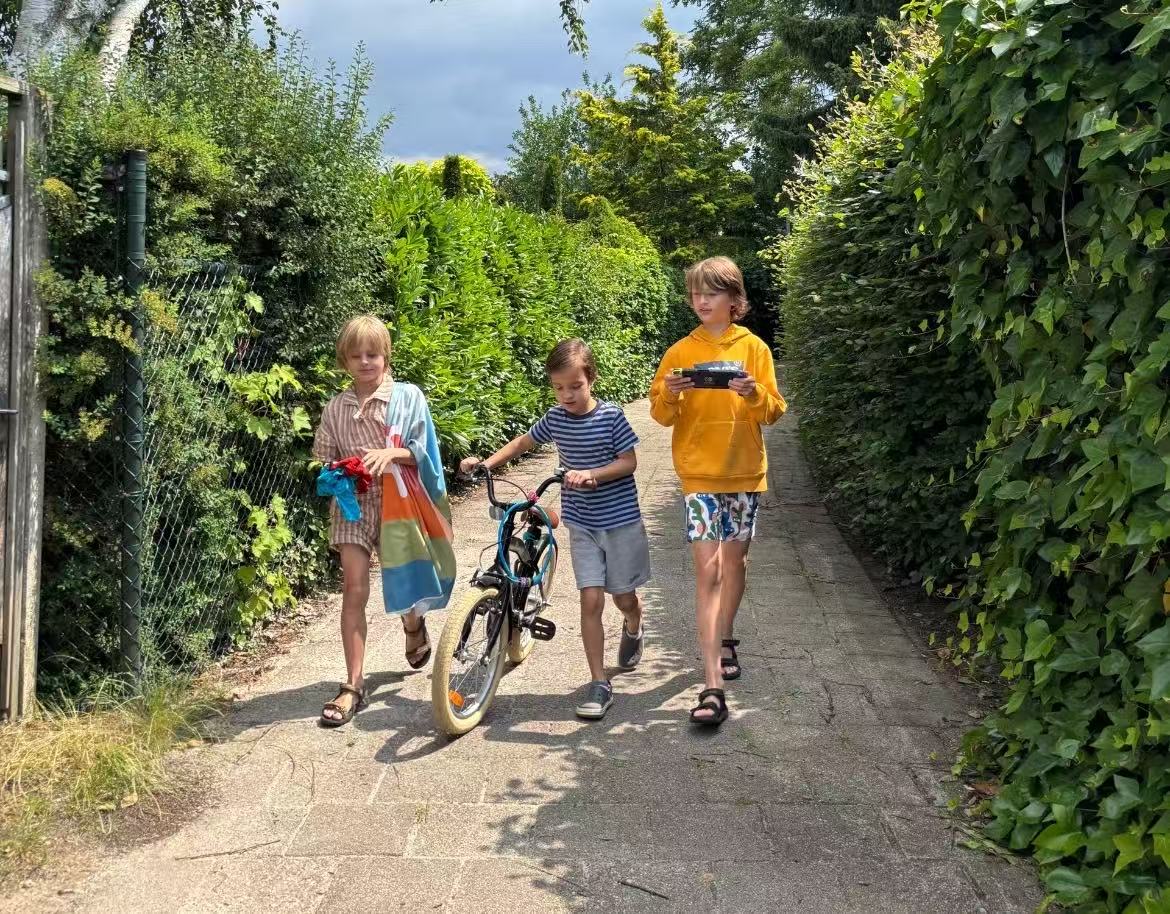
Free Play vs. Structured Activities: How Much Free Time Do Preschoolers Need?
Free play is essential for preschoolers’ creativity, problem-solving, and independent exploration, so parents should build flexible, child-led free time into daily routines, stay nearby without rushing to correct, and watch for signs that may require professional evaluation.
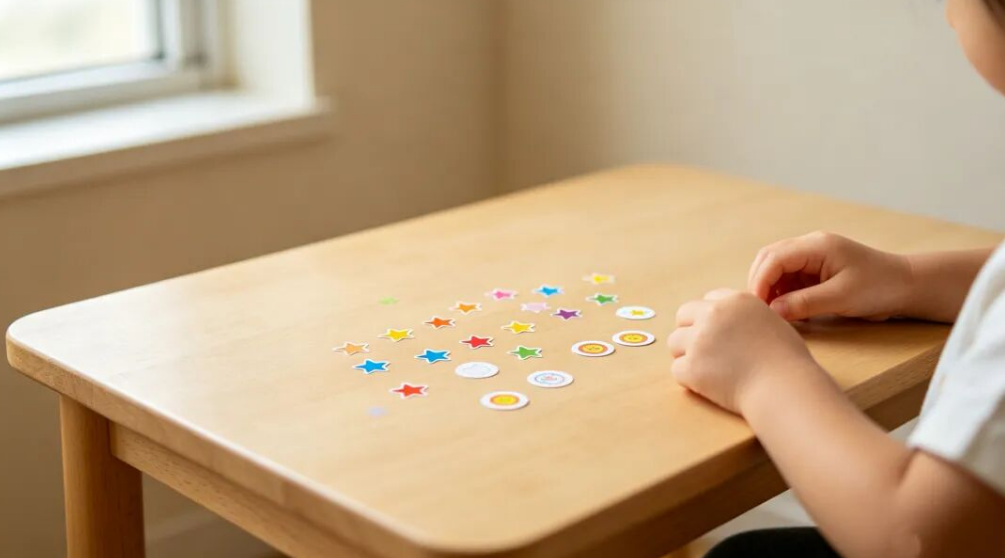
The obedience earned through sticker rewards may be affecting children's intrinsic motivation
Sticker rewards may secure short-term cooperation from children but can weaken their intrinsic motivation, so families and schools should reduce material exchanges for everyday behavior and instead describe facts and affirm feelings to protect children’s self-driven willingness.

How to Find Age-Appropriate Learning Resources for Children
Children of different ages have different levels of cognitive development and different ways of learning, so choosing appropriate learning resources is important. The following guide explains the lear
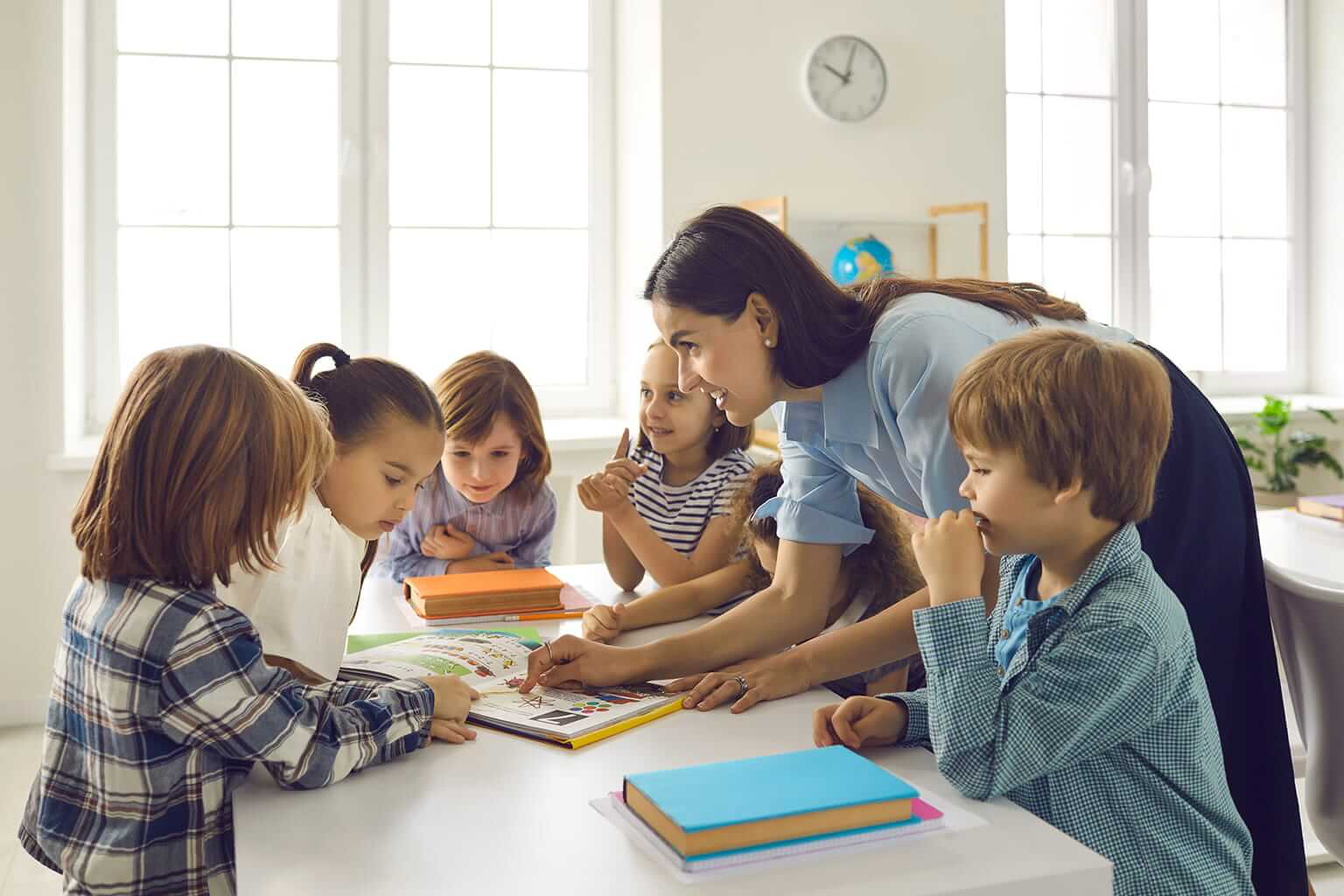
Why Social and Emotional Skills Matter in School Education
Social and Emotional Learning, commonly known as SEL, refers to a range of educational approaches that help students develop social and emotional skills. These skills include self-awareness, self-mana
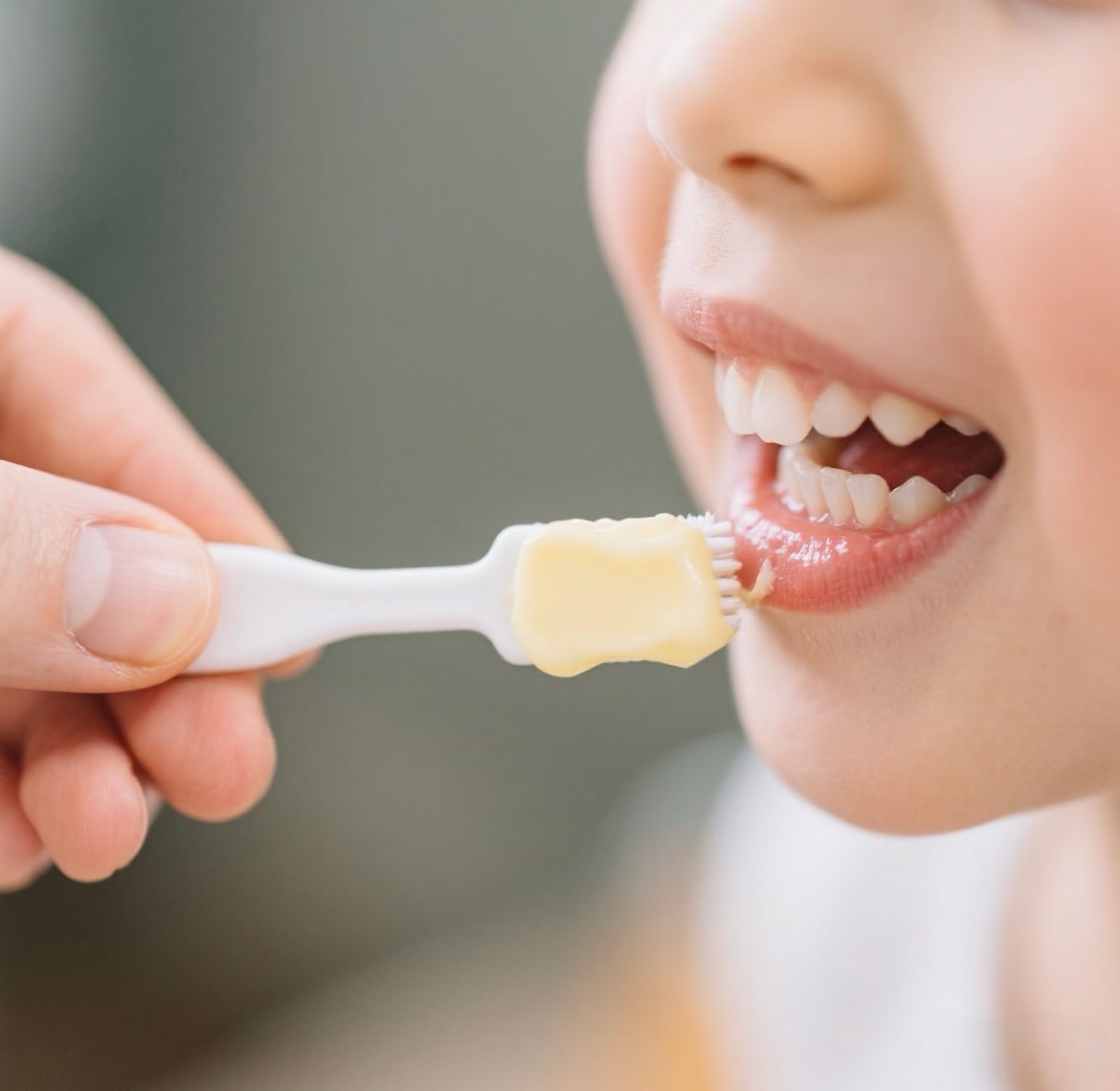
Protecting Bright Smiles: A Full-Cycle Guide to Children’s Oral Health Management, A Must-Read for Parents
A full-cycle guide to children’s oral health management from pregnancy through adolescence, emphasizing stage-specific care, prevention, and regular checkups to help children achieve lifelong oral health.
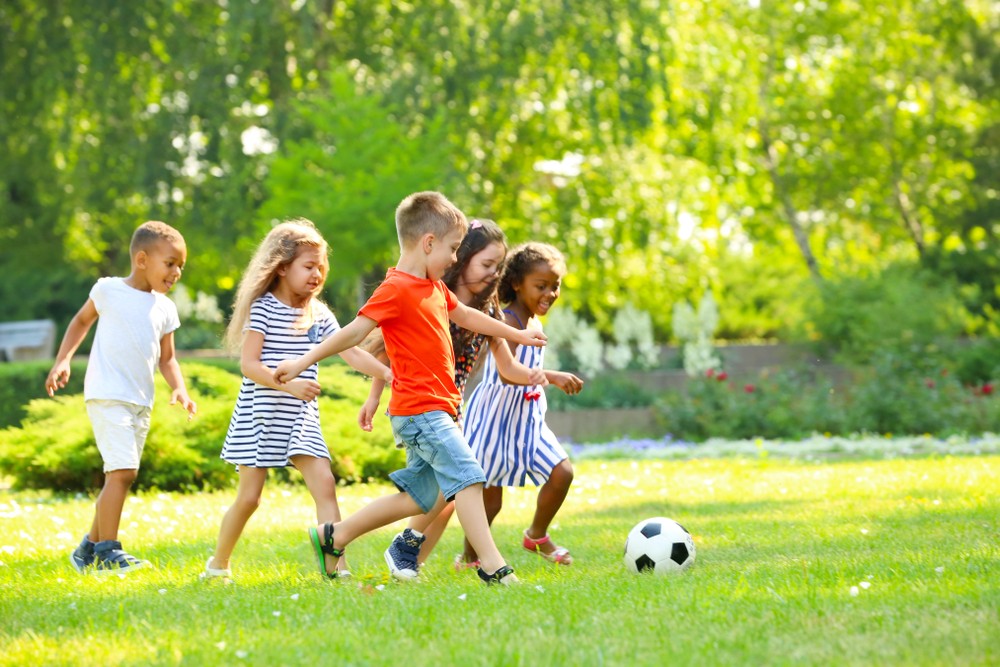
Understanding Fine and Gross Motor Skill Development in Children
Gross and fine motor skills develop gradually as children learn to control their bodies, hands, and fingers. This guide explains common patterns of motor development from infancy through the preschool years and how parents can support movement, coordination, independence, and safe practice at home.
Recently Published
Continue with New Articles
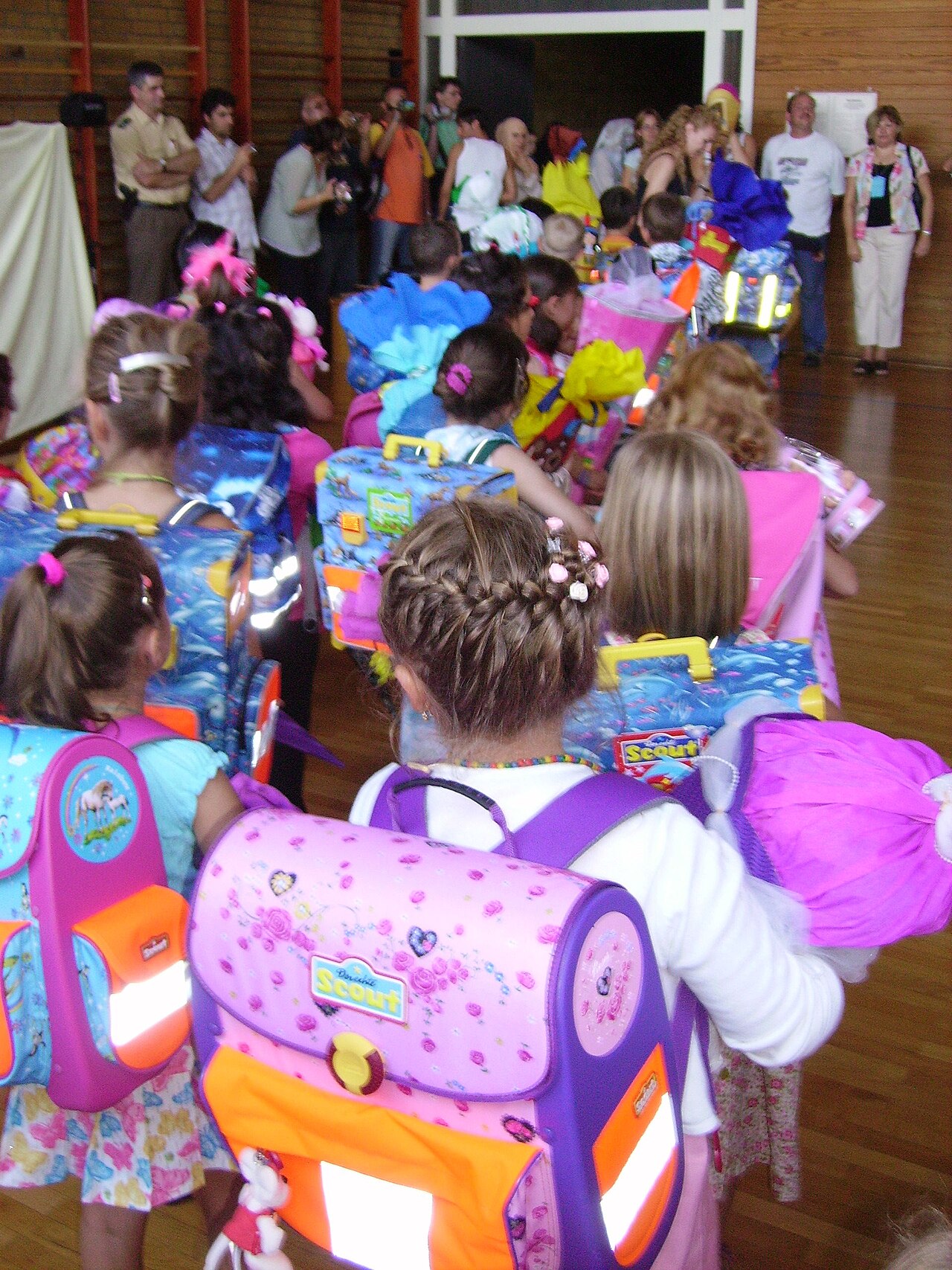
The Ten-Minute Backpack and Homework Reset

True artistic enlightenment is never about forcing children to 'draw like'

After the Shout: A Four-Step Repair That Keeps the Boundary
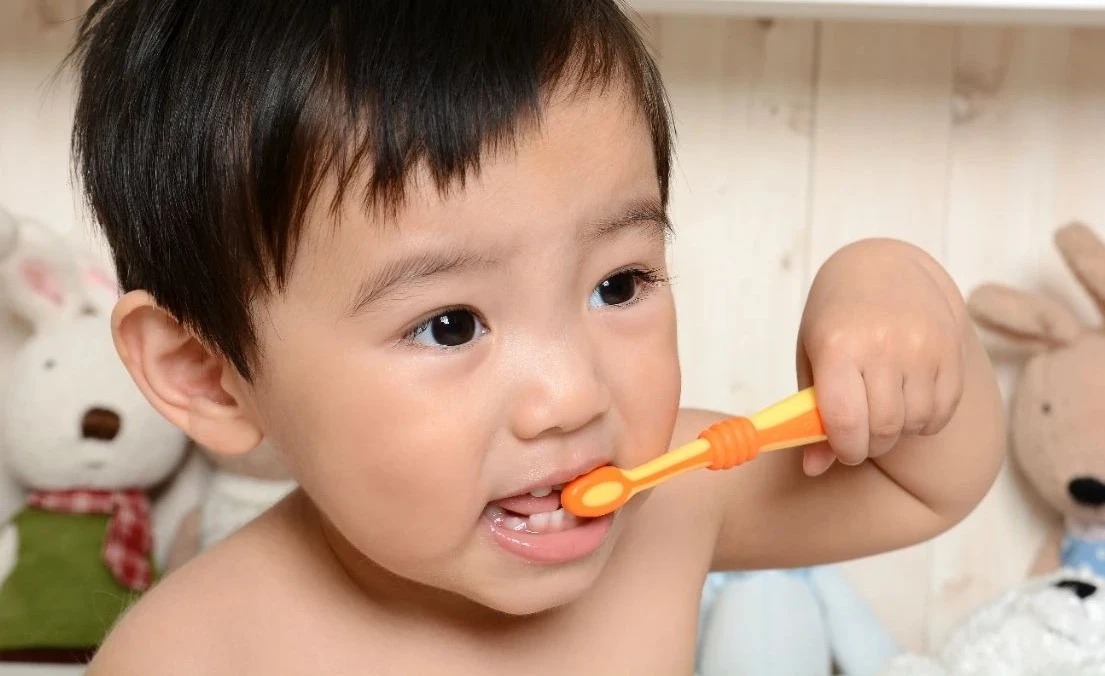
80% of parents make mistakes when brushing their children's teeth.
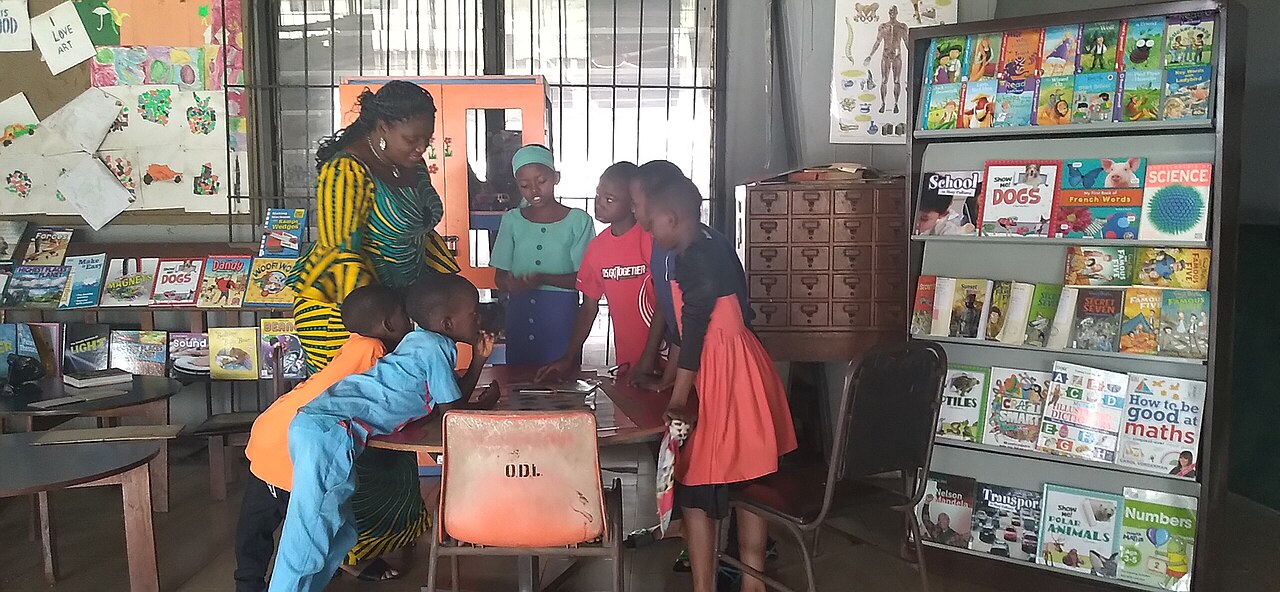
From the Door to Checkout: A Low-Stress Family Library Visit

Building a Balanced School Lunch Without Starting a Food Battle

How to Build a Strong Parent–Teacher Partnership Before Problems Grow
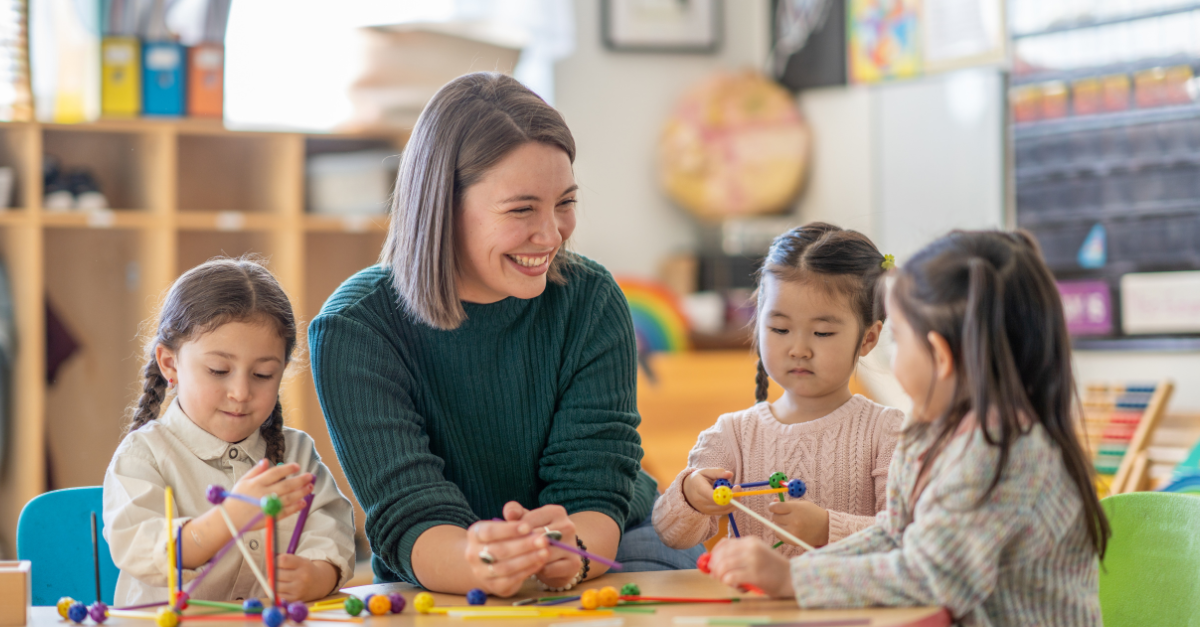
How Early Education Helps Children Build Strong Learning Habits